
 Hamur İşleri
 İçecekler
 Kahvaltılık
 Tatlılar
 Ara Yemek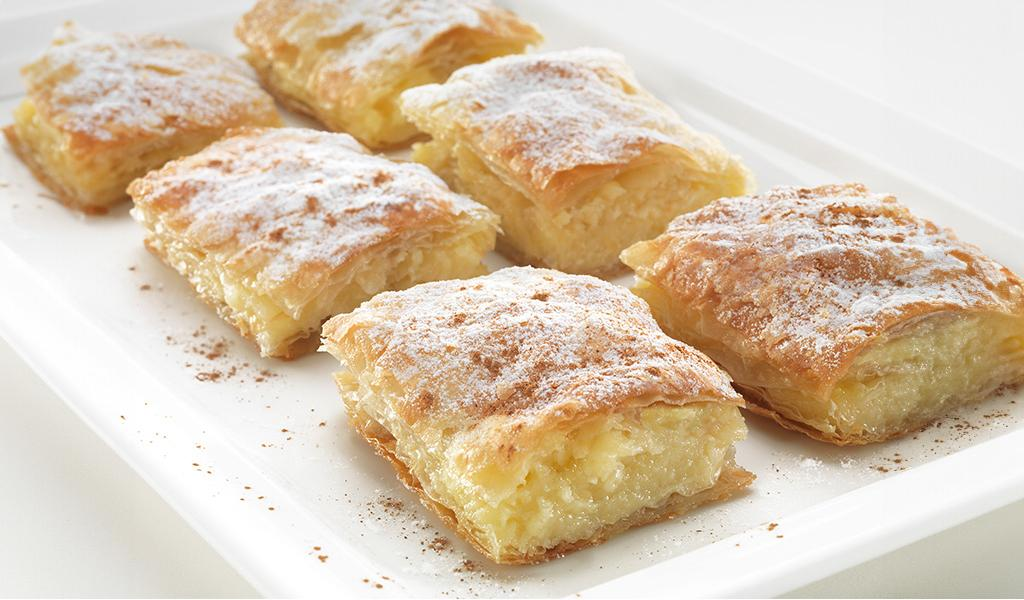
KARADENİZ BÖLGESİ
Laz böreği; ince yufkalar arasına muhallebi konularak yapılan, üzerine şerbet dökülen Karadeniz’e özgü geleneksel bir tatlıdır. İsmi “börek” olsa da aslında şerbetli bir tatlıdır.
Laz böreği, Doğu Karadeniz mutfağının en özel tatlılarından biridir.
Tatlının kökeninin Osmanlı saray mutfağıyla Karadeniz’in yerel sütlü tatlı kültürünün birleşmesinden doğduğu düşünülür. İsmindeki “Laz” ifadesi, Doğu Karadeniz’de yaşayan Laz kültürüne gönderme yapar.
En ilginç özelliği ise tatlı muhallebinin içine az miktarda karabiber konulmasıdır. Bu gelenek, tatlıya hafif baharatlı bir aroma verir ve onu diğer şerbetli tatlılardan ayırır.
Eskiden bayramlarda, düğünlerde ve özel misafir sofralarında hazırlanırdı. İnce hamur açmak emek istediği için ustalık gerektiren tatlılardan biri sayılırdı.
Bugün Laz böreği, Karadeniz mutfağının en özgün tatlılarından biri kabul edilir; hem sütlü hem şerbetli yapısıyla farklı bir lezzet sunar.
Alerjenler: Gluten, süt ürünleri, yumurta.
BLACK SEA REGION
Laz böreği is a traditional dessert from the Black Sea region, prepared by layering thin pastry sheets with custard filling and pouring syrup over the top. Although its name includes the word “börek” (pastry), it is actually a syrup-based dessert.
Laz böreği is considered one of the most distinctive desserts of the Eastern Black Sea cuisine.
It is believed to have emerged from the combination of Ottoman palace cuisine and the local milk-based dessert traditions of the Black Sea region. The word “Laz” refers to the Laz culture living in the Eastern Black Sea area.
One of its most interesting features is the addition of a small amount of black pepper to the sweet custard filling. This tradition gives the dessert a subtle spicy aroma and distinguishes it from other syrup-based desserts.
In the past, it was prepared during holidays, weddings, and special gatherings for guests. Since making thin pastry layers required skill and effort, it was regarded as one of the desserts demanding craftsmanship.
Today, Laz böreği is accepted as one of the most unique desserts of Black Sea cuisine, offering a distinctive taste with both its milky and syrupy texture.
Allergens: Gluten, dairy products, egg.
Önce sütlü muhallebi hazırlanır. Süt, un ve nişasta birlikte pişirilir. Koyulaşınca şeker ve yumurta sarısı eklenir. Soğumaya bırakılır.
Tepsi yağlanır. İnce yufkaların bir kısmı tereyağı sürülerek üst üste dizilir.
Ortasına muhallebi yayılır. Kalan yufkalar da aynı şekilde yerleştirilir.
Üzeri kızarana kadar pişirilir.
Fırından çıktıktan sonra üzerine soğuk şerbet dökülür. Dinlendikçe katlar yumuşar ve muhallebiyle bütünleşir.
Dilimlenerek servis edilir.
First, a milk custard is prepared. Milk, flour, and starch are cooked together. Once thickened, sugar and egg yolk are added, and the mixture is left to cool.
A baking tray is greased, and several thin pastry sheets are layered with melted butter brushed between them.
The custard is spread in the middle, and the remaining pastry sheets are layered in the same way.
It is baked until golden brown.
After baking, cold syrup is poured over the dessert. As it rests, the layers soften and blend with the custard.
It is sliced and served.