
 Hamur İşleri
 İçecekler
 Kahvaltılık
 Tatlılar
 Ara Yemek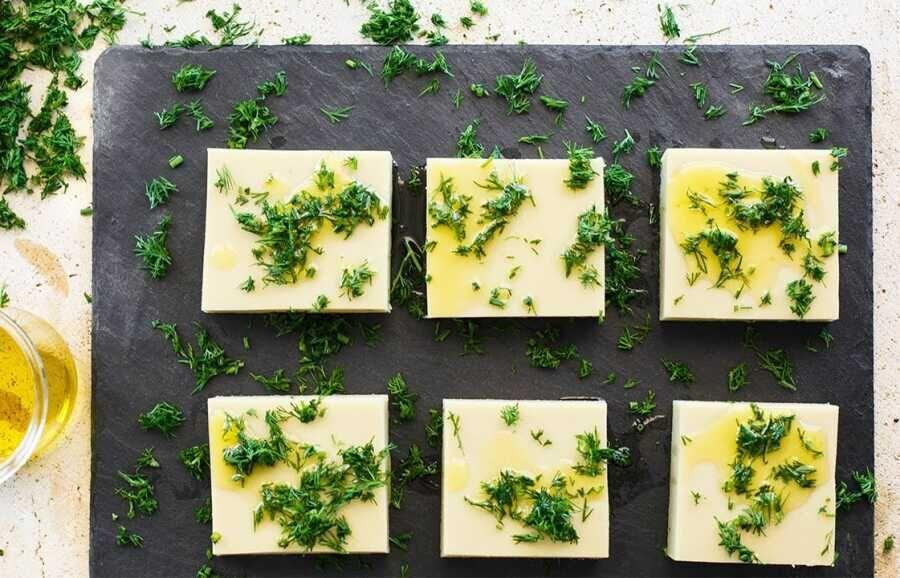
MARMARA BÖLGESİ
Fava; kuru baklanın uzun süre pişirilip ezilmesiyle yapılan, yumuşak dokusu ve hafif aromasıyla soğuk servis edilen zeytinyağlı bir mezedir.
“Fava” kelimesi Latincede bakla anlamına gelen faba sözcüğünden gelir. Yemek, Osmanlı döneminde özellikle Rum mutfağının etkisiyle yaygınlaşmıştır.
Fava; etin az bulunduğu dönemlerde doyurucu ve ekonomik bir yemek olarak da önem taşımıştır. Baklanın uzun süre tok tutması nedeniyle geçmişte denizciler ve yolculuk yapanlar tarafından da tercih edilirdi.
Allergens: Legumes (broad beans).
MARMARA REGION
Fava is a traditional olive oil–based appetizer prepared by slowly cooking and mashing dried broad beans. It is served cold and is known for its smooth texture and delicate flavor.
The word “fava” comes from the Latin word “faba,” meaning broad bean. The dish became widespread during the Ottoman period, particularly under the influence of Greek cuisine.
Fava also gained importance as a filling and economical dish during times when meat was scarce. Because broad beans provide long-lasting satiety, the dish was historically favored by sailors and travelers.
Allergens: Legumes (broad beans).
Kuru iç bakla önce yıkanır ve istenirse kısa süre suda bekletilir. Ardından doğranmış soğanla birlikte tencereye alınır. Üzerine su eklenir ve ağır ateşte iyice yumuşayana kadar pişirilir.
Baklalar dağılacak kıvama geldiğinde tuz ve zeytinyağı eklenir. Karışım ezilir ya da pürüzsüz hale gelene kadar karıştırılır. Geleneksel usulde tahta kaşıkla uzun süre ezilerek kıvam verilir.
Yoğun bir püre haline gelince servis tabağına yayılır. Soğuyunca kendini toparlar.
Üzerine zeytinyağı gezdirilir, dereotu serpilir, limonla servis edilir.
Bazı sofralarda kırmızı soğan ve kapariyle de sunulur.
The dried broad beans are first washed and, if desired, soaked briefly in water. They are then cooked together with chopped onions in a pot. Water is added, and the mixture is simmered over low heat until completely softened.
Once the beans reach a soft consistency, salt and olive oil are added. The mixture is mashed or stirred until smooth. In the traditional method, the texture is achieved by mashing it for a long time with a wooden spoon.
When it reaches a thick purée consistency, it is spread onto a serving plate. As it cools, it becomes firmer.
Olive oil is drizzled over the top, dill is sprinkled on it, and it is served with lemon.
In some presentations, it may also be served with red onion and capers.